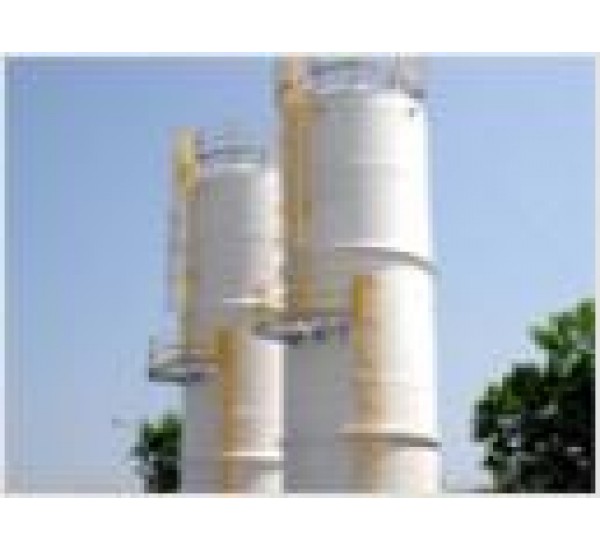
F.R.C. fiberglass reinforcement , Freedom in the design. Can be used with common tasks, including work on vessels and equipment. Resistant to corrosive chemicals.
Property
PP fiber glass FRP (Fibregrass Reinforced Plastic) is a special type of fiber. The ability of tensile strength (Tensile Strength) on the higher harmonics with synthetic plastic Polyester Resin or Epoxy Resin is a high-strength materials. Unique features , Strength, flexibility, light weight, corrosion resistance to the effects of certain chemicals, acids, alkali, corrosion resistance, weather durability than other materials. Used as containers for liquid, chemical, food, pharmaceutical, surface coating, metal, cement and wood. Large complex shapes can be repaired and modified to meet the specific control and use of the course.
For general PP fiberglass.
The fiberglass. Made of natural fibers and synthetic plastic (General Purpose Resin G-Type) products, fiberglass is suitable for general use, such as water tanks, breeding tanks. And larval fish, roofs, gutters, pipes, water consumption and waste water pipes, ventilation shafts, etc..
PP FRP chemical resistant pH effect.
The fiberglass. Production of fibers and synthetic plastic types (Polyester Resin Type Isophthalic or Bisphenol) resistance effects of chemicals, acids and alkalis perfect for storage of chemicals, acids and alkalis, pipeline, chemical, Scrubber, coating tanks. etc..
Advantages of PP fiberglass.
1. Sturdy design and calculation of standard ASTM, JIS, BS, DIN.
2. Lightweight compared to other types of metal stronger than plastic.
3. A fire and heat insulation. No rust, easy maintenance.
4. Leading to the packaging and food (only PP fiberglass resistant effect chemicals, acids and alkalis).
Awards and certifications.
The raw material is taken from Mitsui Chemical co., Ltd. (Japan) and Saint-Gobain (France), using the technology of Hand Lay Up, Auto Spray and Filament Winding of Japan and the United States.
Be applied in the design and testing of the products.
1. Engineering design. Standards by providing a Safety Factor of at least 10 times.
2. Structural design of the tank and piping standard JIS K 7060, BS 4994-1987.
3. Design reinforced plastic pipes and fittings from the pressure standard ASTM D 2992.
4. A pressure test the standard JIS A4101.
5. A tensile testing standard ASTM D 638.
6. A bending test according to ASTM D 790.
7. A pressure test to the standard ASTM D 2412.
8. A test for leaks using a PIN-HOLE TEST.
9. A test by the skin thickness THICKNESS METER.