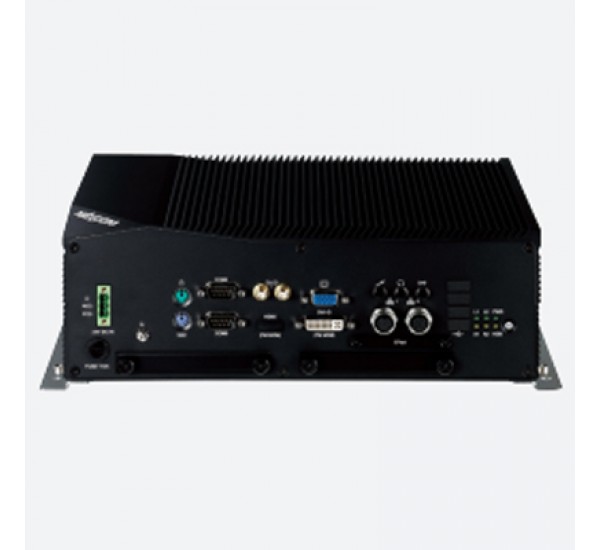
Marine Certified Computer รุ่น nTUF
Marine Certified Computer รุ่น nTUF เหมาะสำหรับคอมพิวเตอร์ที่ใช้งานทางทะเล ส่วนใหญ่เหมาะสำหรับสะพานทางทะเลและการควบคุมวิธีการแก้ปัญหาด้วยคอมพิวเตอร์ มีใบรับรอง EN60945, IACS-E10, DNV และข้อกำหนด NMEA ใช้เทคโนโลยีระบายความร้อนแบบ Fanless เพื่อการป้องกันอินเตอร์เฟสต่างๆ ของ NEMA และสัญญาณอินพุตแบบ DC ซึ่งคอมพิวเตอร์สามารถมอบประสิทธิภาพการทำงานที่เชื่อถือได้ทุกๆ สภาพแวดล้อมในทะเลมันเป็นเครื่องคอมพิวเตอร์ทางทะเลอย่างหนึ่งที่เหมาะสำหรับเรือประมง เรือด้านการกีฬาและการค้าทางทะเลและเรือยอชท์
Product Overview
nTUF Series stands for NEXCOM Tough Computer mainly applied to ECDIS, Radar and Positioning system applications in Marine Bridge and Control Room. The nTUF 600 Marine Fanless Computer is based on Intel® Atom™ Dual Core D525 platform providing optimized graphic and computing performance with rich interfaces for Marine peripherals connection. The nTUF 600 features with 4 x USB 2.0, 2 x M12 GbE LAN port, 1 x VGA, 2 x DB9 RS232, 2 x PS/2, 1 x CFast socket and two cold swappable 2.5" SSD trays on the front panel. In the rear side, the nTUF 600 offers 4 x Digital Input, 4 x Digital Output and 4 x NMEA ports with 2KV optical protection. The 1.5KV isolation protection design on nTUF 600 enhance the system operation reliability in marinetime application.
The nTUF 600 and nTUF 610 have been certified by DNV, compliant to DNV 2.4, IACS-E10 and IEC60945 standards. With DNV certification, nTUF system can be easily applied to integrated bridge system, vessel automation system, ECDIS application for all vessels like bulk carriers, workboat,cruise, sea patrol..etc.
Main Features Marine Certified Computer รุ่น nTUF
- 095 Marine Computer
- Onboard Intel® Atom™ Dual Core D525 processor, 1.8GHz
- 4 x USB ports
- Dual M12 connector for Intel® 82574L GbE LAN ports
- 1 x VGA display output
- 2 x RS232
- 2 x PS/2 for keyboard and mouse
- 1 x external CFast socket
- 1 x Mini-PCIe with two Antenna Holes
- Support +24V DC power input
- Dual cold swappable 2.5" SSD tray
- Supports ATX Power Mode, WoL, LAN teaming and PXE function